Agentic Automation That Survives Contact With Reality
AI agents chain steps together fast, and compound errors just as fast. The guardrails, approval gates, and fallbacks that keep automation running when things get strange.

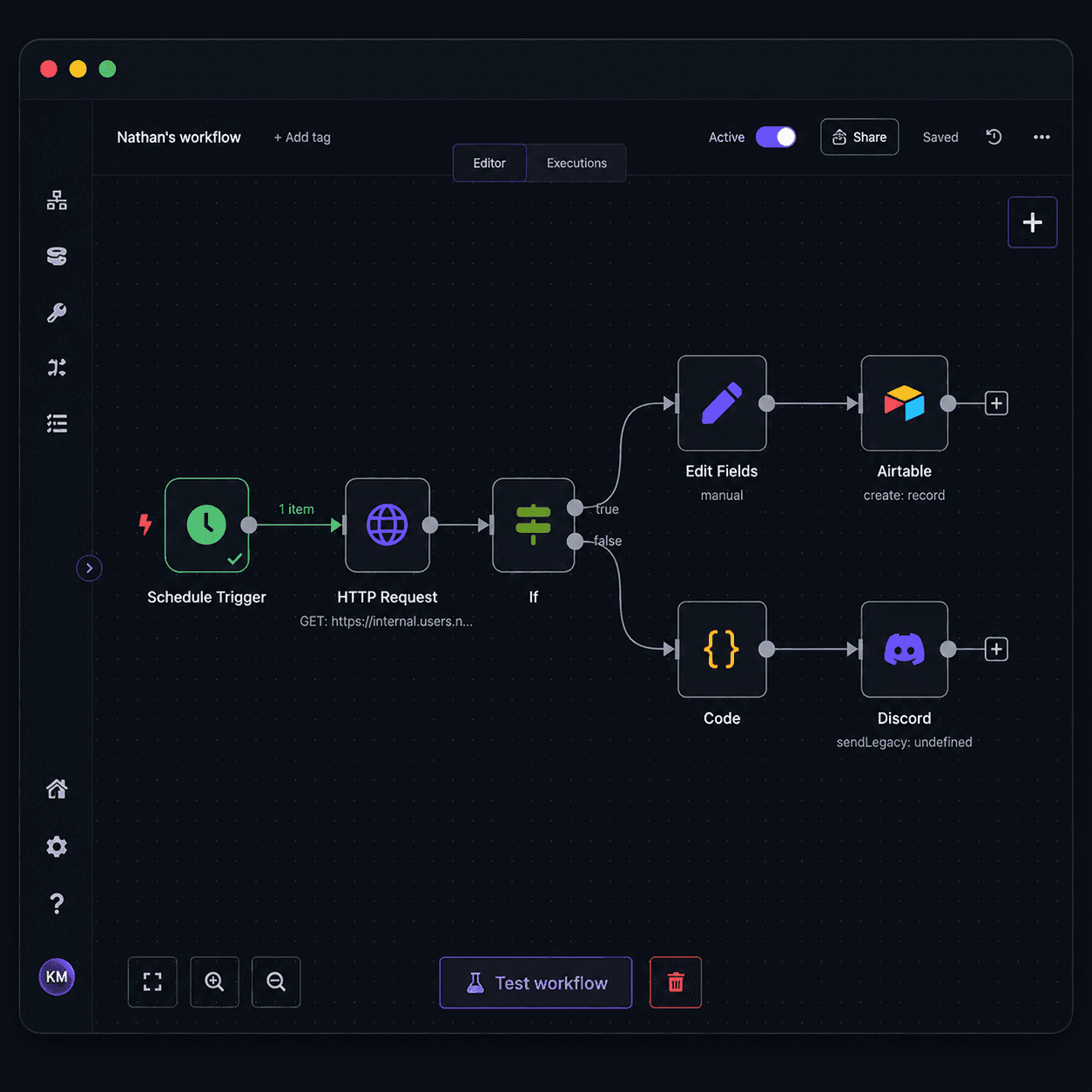
Hand an agent a goal and a set of tools and it will chain steps together to get real work done: pull the record, draft the email, update the system, move to the next one. That is genuinely useful. It is also genuinely brittle, because every step is a place the model can misjudge, and errors compound down the chain. The craft is building automation that still behaves once the inputs stop cooperating.
Automate the boring, supervise the expensive
Not every step deserves the same trust. Reading data, drafting text, and classifying requests are cheap to get wrong — let the agent run. Moving money, deleting records, or emailing a customer are not — put a person in front of them. The automations that last are not fully autonomous. They are autonomous where it is safe and supervised where it counts.
Draw the line in the system, not the prompt
Decide up front which actions an agent may take alone and which require approval, then encode that boundary in code. A rule that lives only in a prompt is a suggestion. A real approval gate turns an unnerving autonomous agent into a fast assistant somebody is willing to sign off on.
Tools are the real surface area
An agent is exactly as safe as the tools you hand it. Every tool should validate its inputs, refuse impossible requests, and fail loudly rather than quietly doing something almost right. Scope permissions to the job: an agent that drafts replies has no reason to hold delete rights. Treat each tool like a public API with an unpredictable client, because that is precisely what it is.
- Validate every tool input before execution, not after
- Scope credentials to the minimum the task requires
- Require explicit confirmation for anything destructive or irreversible
- Log each step with its inputs so a run can be replayed and explained
Design the unhappy path
Demos only show the path that works. Production is mostly everything else: the API that times out, the record that does not exist, the input that makes no sense to anyone. A dependable agent has a defined response for each — retry, skip, escalate, stop — instead of improvising one at runtime. When it genuinely does not know, the correct move is to hand the situation to a person with everything it gathered attached.
Idempotency saves you
Agents retry. If a step can run twice, assume it will. Make writes idempotent, key them on something stable, and check before creating. A good share of the horror stories in agentic automation are one duplicate invoice long.
“A dependable agent is not one that never hits a wall. It is one that knows what to do when it does — and when to stop and ask.”
Start small, expand on evidence
Teams that succeed with agents do not automate a workflow. They automate one step, watch it for a few weeks, then take the next one. Every expansion is earned by logs, not enthusiasm. Done that way, the repetitive work quietly disappears and your team is left with the judgment calls, which was the point all along.